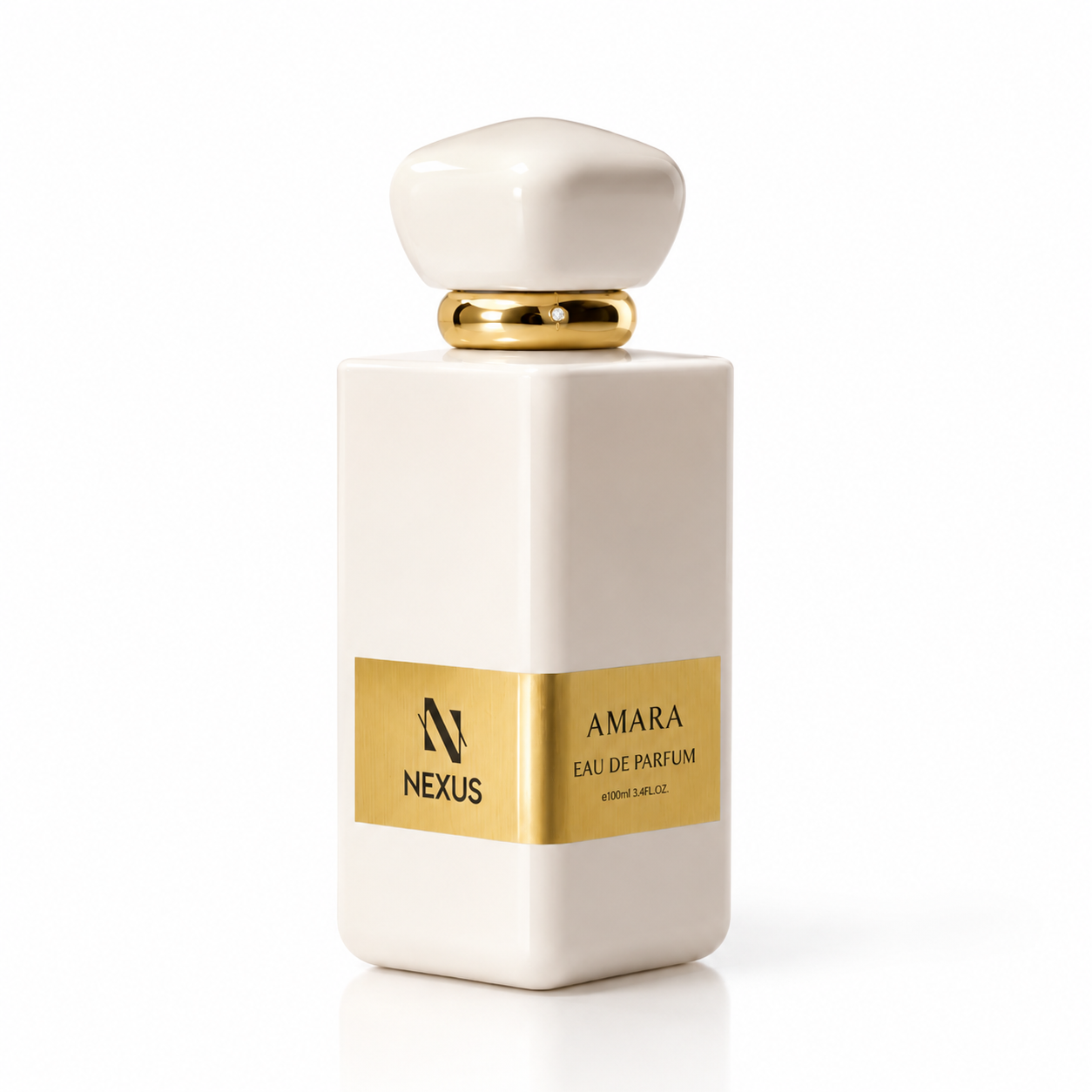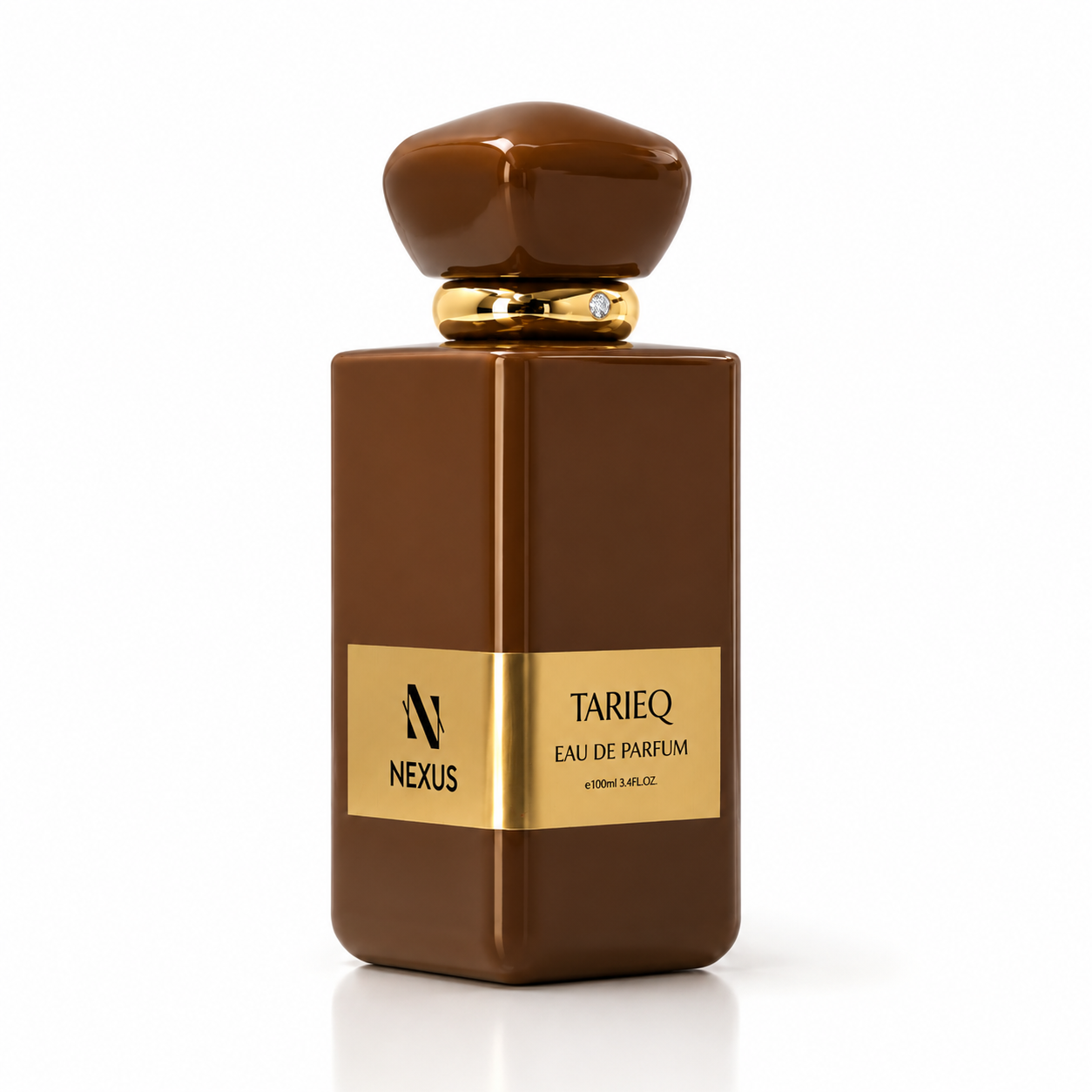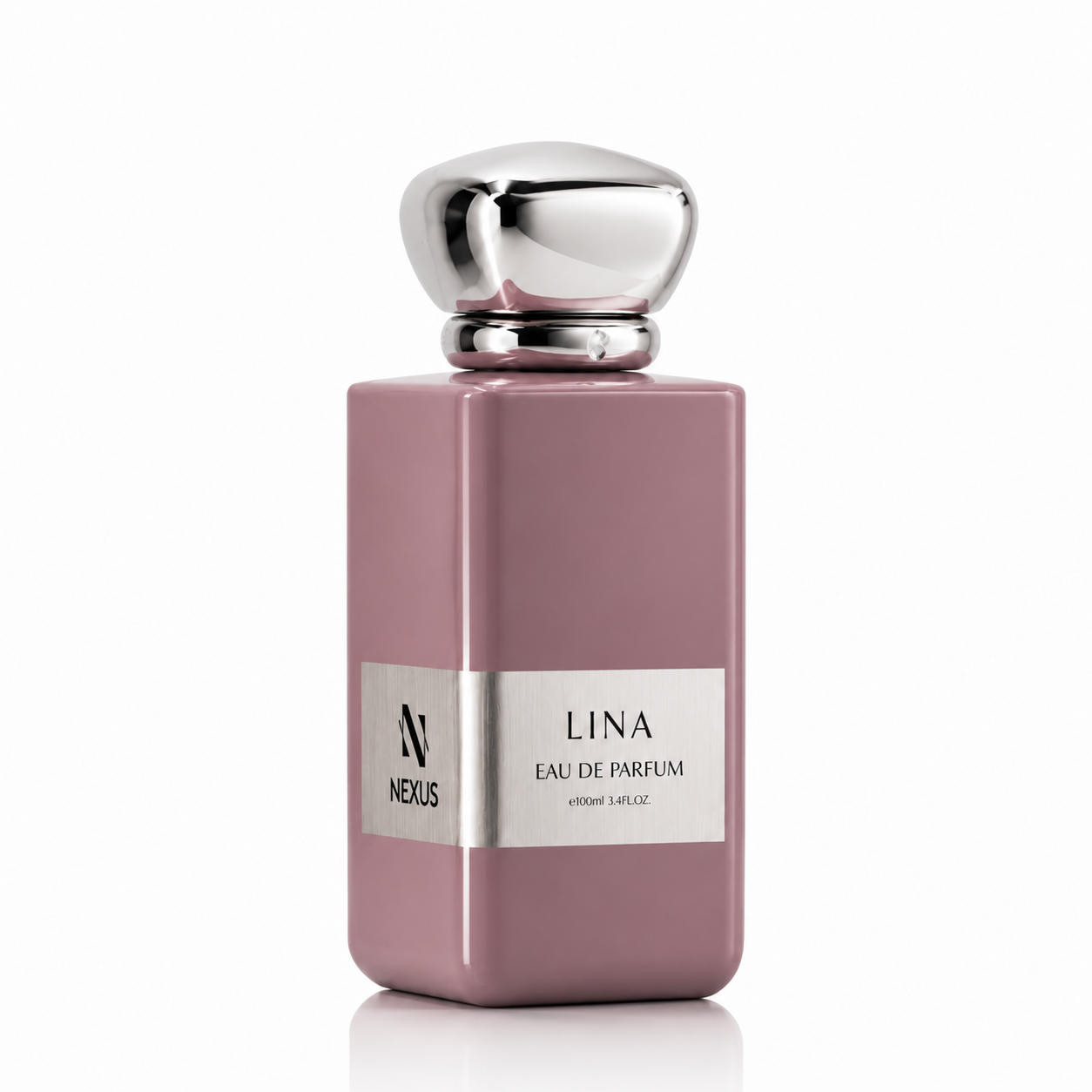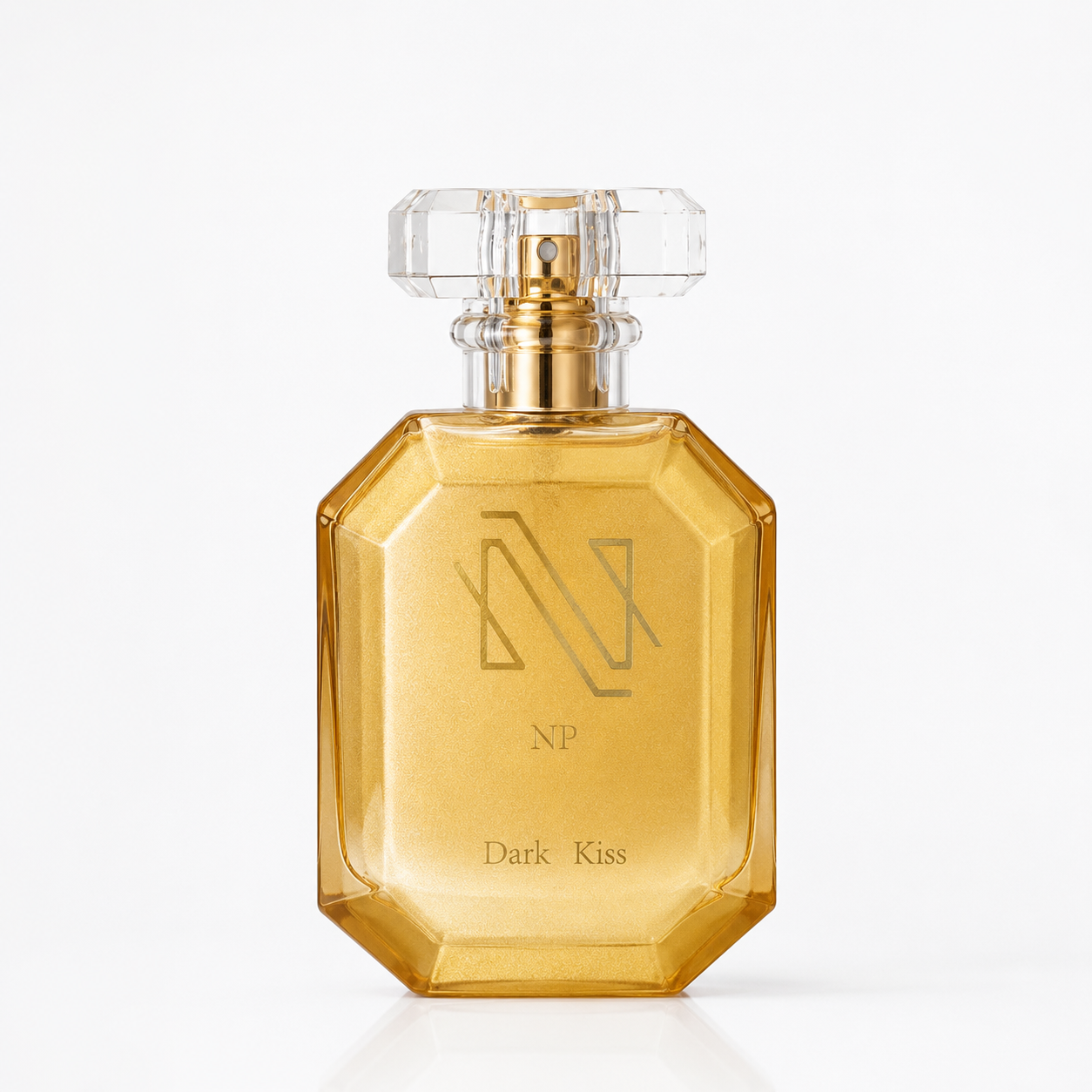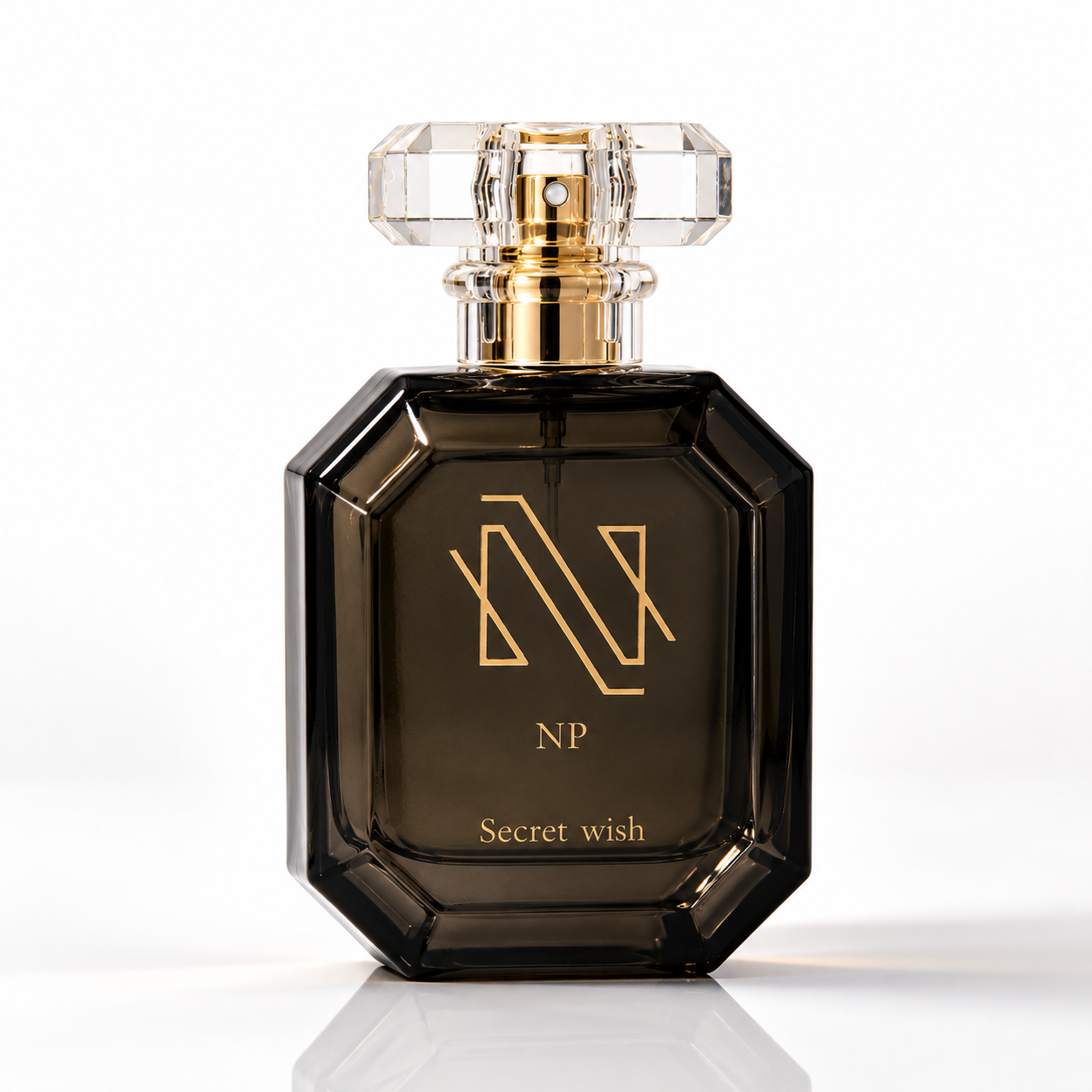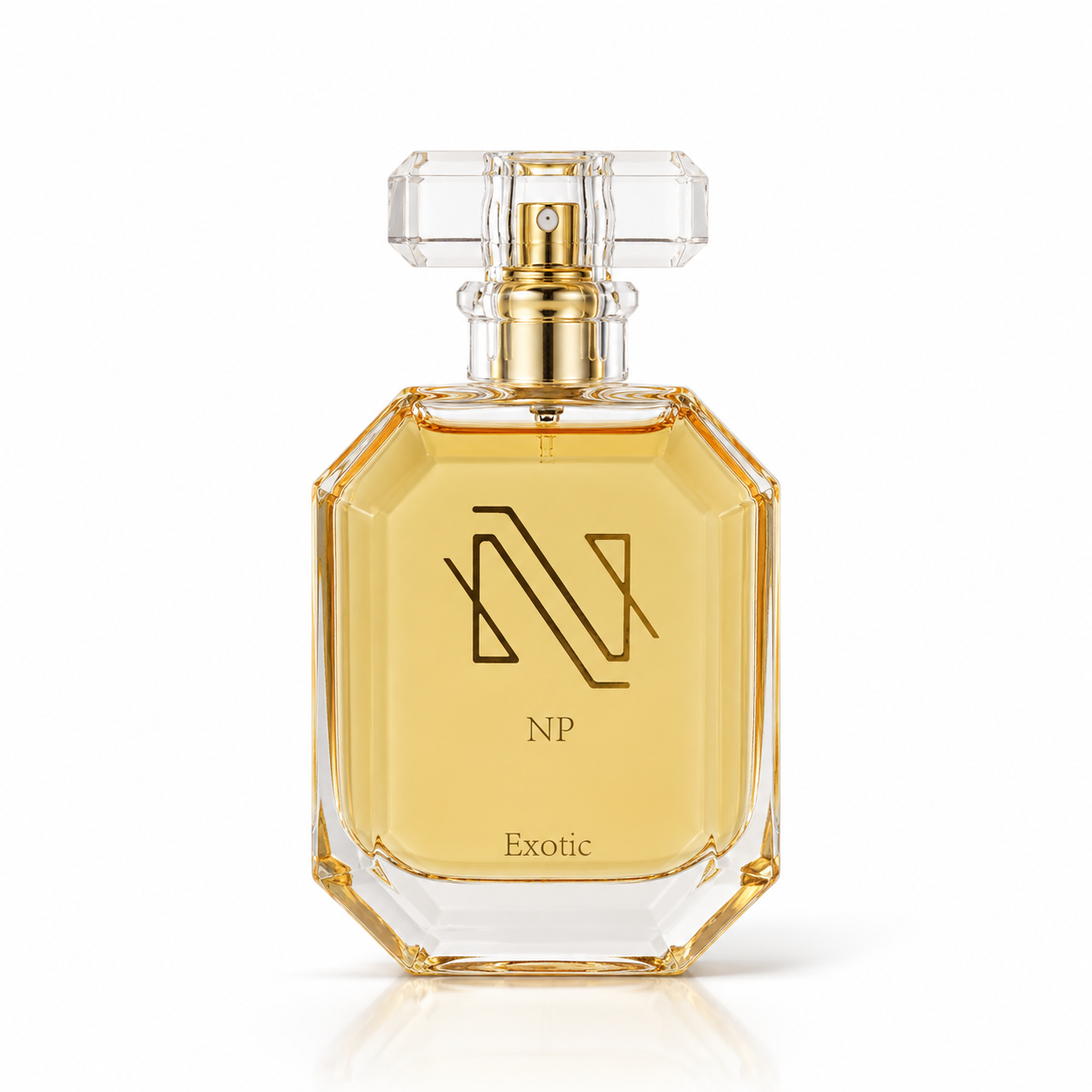


The Proust Effect is the result of perception and emotion working together. People tend to link certain sensory stimuli with specific emotional experiences, forming memories. When we encounter the same stimulus again, those memories are reactivated, triggering emotional responses.
As the saying goes: "Even when people are gone and things are destroyed, when the distant past has left no trace — only scent, though more fragile than anything, remains alive."
—
WHAT IS THE PROUST EFFECT?
It refers to the phenomenon where smelling a familiar scent instantly unlocks memories from the past. Certain sensory stimuli — taste, smell, even sound — can evoke specific memories and emotional reactions. Research shows that when taste and smell work together, they are most powerful at awakening memory.
This effect is named after the French novelist Marcel Proust. In his masterpiece In Search of Lost Time, the protagonist dips a madeleine cake into tea, takes a bite — and suddenly, his childhood comes flooding back.
—
THE PROUST EFFECT IN EVERYDAY LIFE
Ever had this happen?
You spray a familiar perfume, and suddenly you're back in that moment — the scene, the person, the feeling, all rushing into your mind. You open a bottle of your favorite body mist, and it's like stepping into a different time.
It's not just in your head. Science confirms it: when you smell something you've smelled before, it unlocks the memory associated with that moment — and the recollection is often vivid, almost as if you're reliving it. This is the Proust Effect.
—
THE SCIENCE BEHIND IT
Our olfactory system is directly connected to the emotional centers of the brain. When we smell something, it immediately activates the neural structures associated with that scent's memories and emotions.
The olfactory bulb — the part of the brain that processes smell — is closely linked to the amygdala and hippocampus, which govern emotion and memory.
Researchers at the Karolinska Institute in Stockholm conducted an experiment on the Proust Effect. The results showed that neural activity under scent conditions was significantly more active than under text conditions — memories triggered by smell were more vivid, more immersive, and carried more emotional weight than those triggered by words.
—
HOW IT'S USED
The Proust Effect extends beyond individual scents — it generalizes to people, places, times, and spaces. "A song we've never heard, healing us." "We seem to have met somewhere before." These are all manifestations of the same principle: shared elements and structures help unlock buried memories.
Memory is always loyal. It's we who forget.
This effect is also widely used in marketing. Coffee shops, perfume boutiques, and bakeries all use signature scents to create atmosphere — triggering memories and making you associate that smell with their brand.
And here's a personal tip: if people have already formed a fixed impression of you and you want to shift it, try changing your perfume. The suggestive power of scent is remarkably high — it doesn't just affect how others perceive you, it can even reshape how you see yourself.
—
A FINAL THOUGHT
Time passes. Many memories slowly gather dust.
But scent is the vivid anchor of memory — always there, connecting our past to our future.